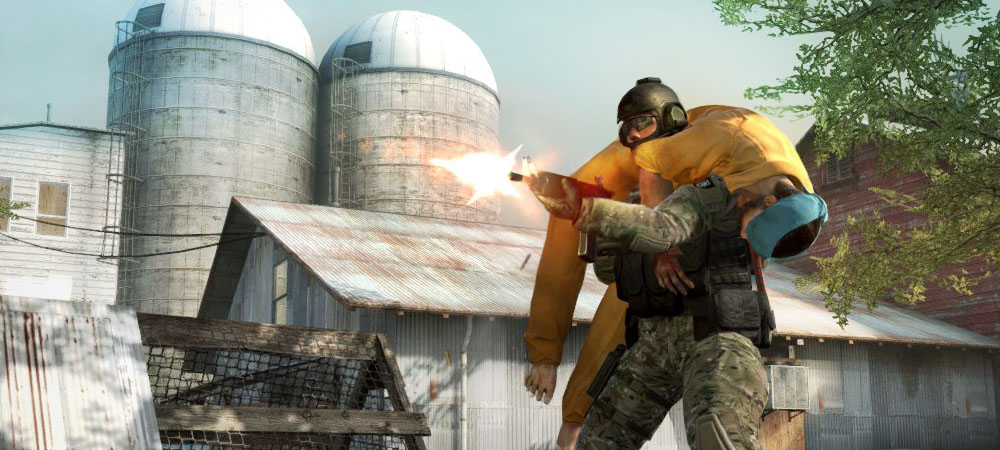
Top 5 Most Challenging Hostage Maps in CSGO: A Comprehensive Guide
Top 5 Most Challenging Hostage Maps in CSGO
Counter-Strike: Global Offensive offers players a variety of maps, but some stand out due to their unique challenges. In this comprehensive guide, we will explore the top five most challenging hostage maps that not only test players' tactical skills but also their teamwork and strategy. Whether you are a seasoned veteran or a newcomer, understanding these maps can significantly enhance your gameplay experience.
- Hostage Rescue Map: Italy - Known for its narrow corridors and tight spaces, this map requires precise communication and coordination among teammates to successfully navigate and rescue hostages.
- Hostage Rescue Map: Office - The multi-level layout and abundance of cover make Office a tricky battlefield. Teams must balance aggression with caution, as enemies can strike from various vantage points.
- Hostage Rescue Map: Agency - Featuring a blend of open areas and close-quarters combat, Agency challenges players to adapt their strategies on the fly while ensuring hostage safety.
- Hostage Rescue Map: Bank - This map's complex design with multiple entry points offers a unique twist, demanding teamwork and clear callouts to effectively diffuse enemy threats.
- Hostage Rescue Map: Safehouse - Safehouse's indoor environment, with varying sightlines and tight corners, forces players to rely on stealth and surprise, making each round unpredictable.
Mastering these hostage maps not only enhances your gameplay skills, but also elevates your team's performance, making for a thrilling CSGO experience.
Counter-Strike is a highly popular tactical first-person shooter game that has captivated millions of players around the world. In the latest iteration, players are keen to understand various mechanics, including the cs2 rank reset, which can significantly impact their competitive experience.
How to Strategize and Win on Hostage Maps: Tips and Tricks
In competitive gaming, particularly in tactical shooters, mastering hostage maps can significantly enhance your team's performance. To strategize effectively, start by understanding the unique layout of each map. Take the time to scout out key areas such as hostage spawn points and strategic choke points. A solid strategy often involves dividing your team into roles – assign a defender to protect hostages and an aggressor to seek out the enemy. Always keep communication open. Use voice or text chat to coordinate movements, ensuring that your team can respond promptly to pressure points and shifting enemy tactics.
Another vital tip for success on hostage maps is to prioritize your weapon choices and utility usage. Weapons with high accuracy and damage are critical in tight spaces, so opt for rifles or shotguns based on map design. Additionally, don't underestimate the power of grenades. Using smoke and flashbangs can create diversions or cover as you approach hostage locations. Always be mindful of your team's positioning; stick together to maximize firepower and minimize risks. Remember, the key to winning on hostage maps lies in teamwork, strategy, and adaptability to the dynamic flow of the game.
What Makes a Great Hostage Map in CSGO? Key Features to Look For
A great hostage map in CS:GO should prioritize both gameplay dynamics and visual storytelling. The layout should facilitate various strategies for both the terrorist and counter-terrorist teams, ensuring no side has a significant advantage. Essential features include multiple pathways that allow players to execute flanking maneuvers, and clear sightlines to create tactical opportunities. Additionally, the environment should be immersive, with thematic elements that engage players and enhance the overall experience. Balance in map size is crucial; maps that are too large can detract from fast-paced engagement, while those that are too small can lead to chaotic and less strategic play.
Another key aspect of a great hostage map is the placement of hostages and rescue zones. These areas should be strategically positioned to challenge players, encouraging the rescue team to plan their approach and the terrorist team to defend their hostages effectively. Consideration of spawn points also plays a vital role, ensuring that both teams have equitable access to critical areas of the map. Furthermore, incorporating interactive elements, such as destructible barriers or unique environmental features, can provide additional layers of strategy and excitement, making each match a unique experience. In summary, a well-designed hostage map combines thoughtful layout, strategic features, and immersive storytelling to create an engaging gameplay experience.