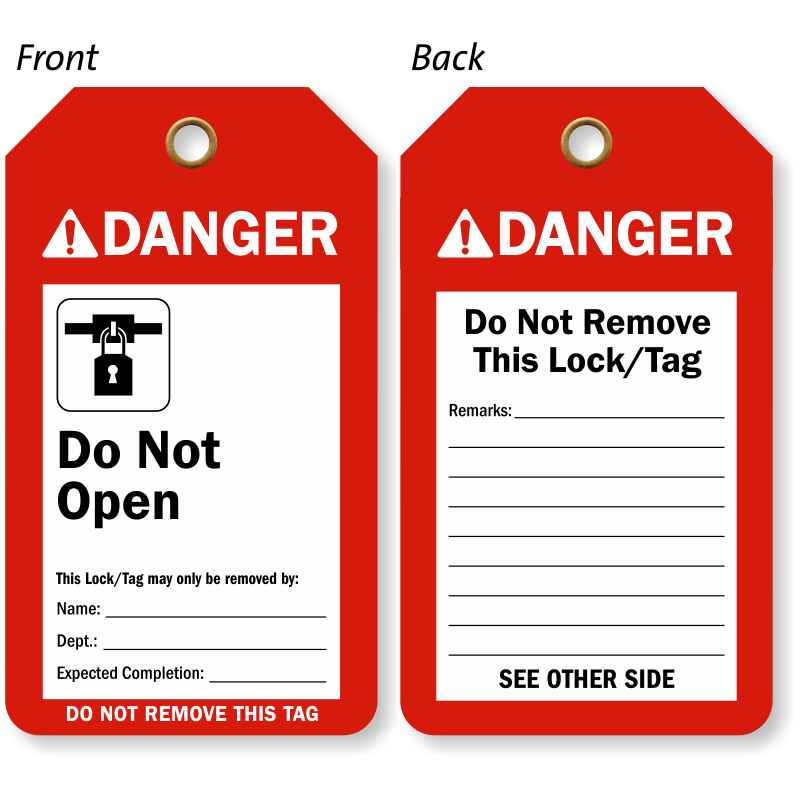
Understanding the Importance of Safety Tags in Everyday Life
Understanding the importance of safety tags in everyday life is crucial for ensuring not only personal safety but also the safety of others. Safety tags serve as essential communication tools that convey important information about hazards, equipment status, and safety precautions. For instance, industrial sites often use tags to indicate whether machinery is safe to operate or requires maintenance. In homes, safety tags can remind us of potential hazards, such as hot surfaces or electrical risks. By keeping safety tags visible and up-to-date, we can better protect ourselves and our loved ones from unforeseen dangers.
Moreover, the importance of safety tags extends beyond just industrial applications; they are also vital in our daily environments. In schools, safety tags can inform students about emergency exits and safety protocols, while hospitals may use tags to manage medical equipment effectively. To highlight their significance, here are a few benefits of implementing safety tags:
- Promoting awareness of safety standards
- Minimizing accidents and injuries
- Providing clear communication during emergency situations
Thus, incorporating safety tags into various settings can greatly enhance safety practices and advocate for a culture of awareness and prevention.
Counter-Strike is a popular tactical first-person shooter game that has captivated millions of players worldwide. With its focus on team-based gameplay and strategy, players can choose to play as terrorists or counter-terrorists in various game modes. As players engage in intense matches, they can purchase weapons and equipment to gain an advantage over their opponents. For runners looking to enhance their workouts, check out the Top 10 Apple Watch Accessories for Runners to find useful gadgets that can elevate their performance.
How to Choose the Right Safety Tags for Your Needs
Choosing the right safety tags for your needs is crucial for maintaining a safe and organized environment, whether it be in a workplace, a construction site, or even at home. Start by assessing your requirements based on the specific hazards present. For instance, if you’re dealing with electrical equipment, look for tags that clearly warn of electrical hazards. Similarly, consider the materials and durability of the tags; they should withstand the elements and any potential wear and tear. Follow these steps to make an informed decision:
- Identify the potential hazards in your area.
- Choose tags that communicate the necessary warnings effectively.
- Determine the material that will suit your environment best.
Once you've identified the types of safety tags you need, you should also give thought to their visibility and compliance with regulations. Look for tags that use clear, legible text and universally recognized symbols to enhance understanding and compliance among all staff members. Color coding can also be an essential factor—different colors can be used to signify varying levels of urgency or types of hazards. To wrap up, always remember to regularly review your safety tagging system to ensure it remains effective and meets any updated safety regulations or standards.
What Information Should Safety Tags Include for Maximum Effectiveness?
To achieve maximum effectiveness, safety tags should include essential information that clearly conveys hazards and necessary precautions. A well-designed safety tag should feature a bold title that outlines the specific hazard, followed by a detailed description. Additionally, including visual symbols or icons can quickly communicate the danger. Here is a list of crucial information to include on safety tags:
- Hazard Identification: Clearly state the type of hazard (e.g., electrical, chemical).
- Precautionary Measures: Include instructions on how to avoid risks.
- Contact Information: Provide details for whom to notify in case of an emergency.
Moreover, safety tags should also incorporate proper color coding and legible font sizes to ensure they are easily seen and understood. Consistency in design across all safety tags can further enhance their recognition and effectiveness. To maximize their impact, tags should be displayed in high-visibility areas and routinely checked for wear and tear. Remember, the ultimate goal of safety tags is to promote a safer environment, so always prioritize clarity and accuracy in the information provided.