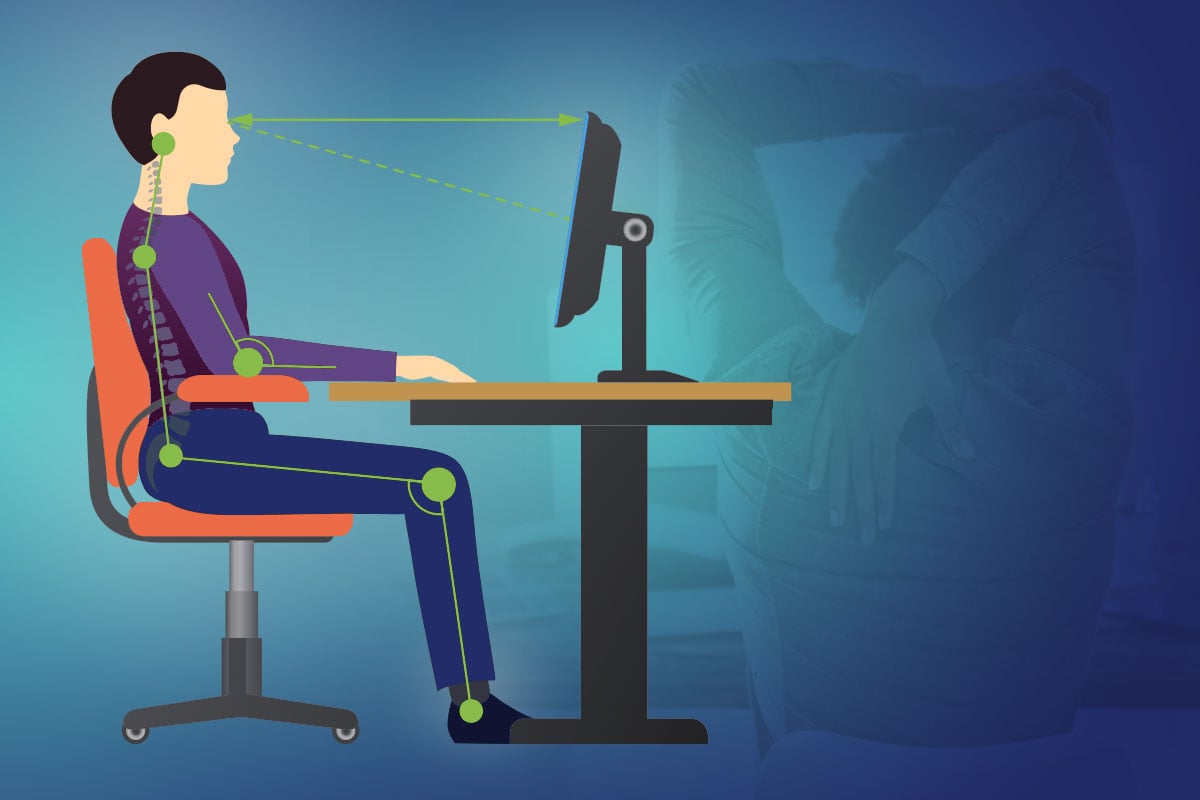
The Hidden Dangers of Poor Ergonomics: What Your Chair Says About Your Health
The hidden dangers of poor ergonomics in your workspace can have serious impacts on your overall health. Many people underestimate how their chair affects their posture, leading to a variety of musculoskeletal issues. Poor chair design can contribute to chronic pain in the back, neck, and even the wrists, significantly affecting your day-to-day productivity and well-being. According to research, sitting in an improperly aligned position not only causes discomfort but can also lead to long-term health consequences such as carpal tunnel syndrome and lumbar strain.
Moreover, a poorly designed chair may limit your mobility and create tension in the body, making it essential to invest in quality ergonomic seating. Consider the following factors when evaluating your chair:
- Adjustable height to ensure your feet are flat on the ground
- Lumbar support to maintain the natural curve of your spine
- Armrests to reduce strain on your shoulders
When choosing a chair that supports good ergonomics, think about how it contributes to your overall health. Remember, taking care of your body while working is not just beneficial; it’s a necessity for achieving your best work!
When it comes to enhancing your computing experience, investing in the right gear can make a huge difference. Check out the Top 10 Mouse Accessories that can improve comfort, precision, and functionality while using your mouse.
Ergonomics 101: How to Choose a Chair That Respects Your Spine
When it comes to selecting a chair that respects your spine, understanding the fundamentals of ergonomics is crucial. An ergonomic chair is designed to support your body's natural posture, reducing strain on your back and promoting overall comfort. Here are essential factors to consider:
- Adjustability: Look for chairs that allow adjustments in height, lumbar support, and armrests. This customization helps you find the perfect fit for your body.
- Material: Choose breathable fabrics that are comfortable and durable. A chair that promotes airflow will keep you cool during long hours of sitting.
The shape and structure of the chair play a significant role in maintaining spinal alignment. A chair that features good lumbar support can help to reduce the risk of developing back pain. Additionally, consider the following:
- Cushioning: Opt for chairs with adequate cushioning that retains its shape over time.
- Swivel Base: A chair that swivels allows for easier movement, reducing the strain of reaching for objects around your workspace.
Is Your Chair a Torture Device? 5 Signs You Need an Upgrade
Spending long hours seated at your desk can take a toll on your body, especially if your chair isn't supporting you properly. Here are 5 signs that your chair might be more of a torture device than a comfort zone:
- Persistent Pain: If you frequently experience back or neck pain after sitting, it's a clear indicator that your chair lacks proper ergonomic support.
- Poor Posture: Do you find yourself slouching or hunching over? A chair that forces or encourages poor posture can lead to long-term health issues.
- Adjustability: If your chair isn't adjustable, it may not suit your body type. An ideal chair should allow you to modify height, lumbar support, and armrests.
- Discomfort: If you feel discomfort after a few hours of sitting, your chair may not be providing adequate cushioning or support.
- Age of the Chair: If your chair is more than a decade old, it might be time for an upgrade, as materials can degrade over time and lose their structural integrity.